
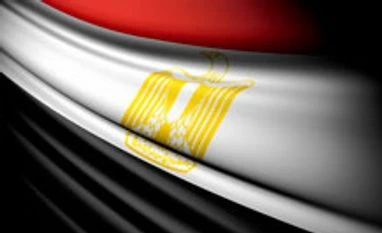
 "Egypt upheaval mars hopes of end to economic woes")


Egypt's shattered economy was boosted this week by Gulf allies pledging billions of dollars in aid, but analysts say this simply buys time as political turmoil deepens its economic malaise.
The millions of ordinary Egyptians angered by record high unemployment, soaring inflation and chronic fuel shortages who took to the streets two weeks ago demanding Mohamed Morsi's resignation blamed him for letting the economy nosedive.
Fuel supplies have returned, after panic buying before the military coup on July 3, and three Gulf monarchies relieved at the toppling of Egypt's Islamist president have pledged $12 billion in assistance.
And progress remains stalled on negotiations with the International Monetary Fund on a $4.8-billion loan.
"Even if they do agree on the loan, I just don't believe that we're going to see a flood of investment," said financial analyst Andrew Cunningham.
"The country has been in turmoil since 2011, there's just been a military coup and they're shooting people on the streets. This is hardly an attractive prospect."
Gulf pledges of financial assistance are a lifeline for the new administration.
Foreign reserves have fallen by almost 60 per cent since the revolution that toppled Hosni Mubarak in February 2011, to $14.9 billion in June -- the equivalent of just three months of imports.
Kuwait offered $4 billion in cash, loans and fuel, with Saudi Arabia contributing $5 billion and the United Arab Emirates another $3 billion.
But Cunningham warned that, while welcome, the cash injection was not a long-term solution.
"We're still talking plasters and bandages. The challenges are enormous and they are structural. Egypt's economy has been badly managed for decades, and it didn't improve under Morsi."
Illustrating the severity of the problem, the latest data from Egypt's official statistics agency shows that unemployment jumped after Mubarak's ouster and then rose steadily over the next two years to reach a record 13.2% in March.
Problems Egypt's new rulers will have to confront if they are to reverse the inexorable decline include corruption, poor education, a bloated public sector, low productivity and unsustainable food and fuel subsidies.
The millions of ordinary Egyptians angered by record high unemployment, soaring inflation and chronic fuel shortages who took to the streets two weeks ago demanding Mohamed Morsi's resignation blamed him for letting the economy nosedive.
Fuel supplies have returned, after panic buying before the military coup on July 3, and three Gulf monarchies relieved at the toppling of Egypt's Islamist president have pledged $12 billion in assistance.
Also Read
But dire security problems and political instability mean a return of the tourists and foreign investment that Egypt so desperately needs are a distant prospect.
And progress remains stalled on negotiations with the International Monetary Fund on a $4.8-billion loan.
"Even if they do agree on the loan, I just don't believe that we're going to see a flood of investment," said financial analyst Andrew Cunningham.
"The country has been in turmoil since 2011, there's just been a military coup and they're shooting people on the streets. This is hardly an attractive prospect."
Gulf pledges of financial assistance are a lifeline for the new administration.
Foreign reserves have fallen by almost 60 per cent since the revolution that toppled Hosni Mubarak in February 2011, to $14.9 billion in June -- the equivalent of just three months of imports.
Kuwait offered $4 billion in cash, loans and fuel, with Saudi Arabia contributing $5 billion and the United Arab Emirates another $3 billion.
But Cunningham warned that, while welcome, the cash injection was not a long-term solution.
"We're still talking plasters and bandages. The challenges are enormous and they are structural. Egypt's economy has been badly managed for decades, and it didn't improve under Morsi."
Illustrating the severity of the problem, the latest data from Egypt's official statistics agency shows that unemployment jumped after Mubarak's ouster and then rose steadily over the next two years to reach a record 13.2% in March.
Problems Egypt's new rulers will have to confront if they are to reverse the inexorable decline include corruption, poor education, a bloated public sector, low productivity and unsustainable food and fuel subsidies.
You’ve reached your limit of {{free_limit}} free articles this month.
Subscribe now for unlimited access.
Already subscribed? Log in
Subscribe to read the full story →*Subscribe to Business Standard digital and get complimentary access to The New York Times

Smart Quarterly
₹900
3 Months
₹300/Month
SAVE 25%
Smart Essential
₹2,700
1 Year
₹225/Month
SAVE 46%
*Complimentary New York Times access for the 2nd year will be given after 12 months
Super Saver
₹3,900
2 Years
₹162/Month
Subscribe
Renews automatically, cancel anytime
Here’s what’s included in our digital subscription plans
Exclusive premium stories online

Over 30 premium stories daily, handpicked by our editors


Complimentary Access to The New York Times
News, Games, Cooking, Audio, Wirecutter & The Athletic
Business Standard Epaper
Digital replica of our daily newspaper — with options to read, save, and share

Curated Newsletters
Insights on markets, finance, politics, tech, and more delivered to your inbox
Market Analysis & Investment Insights
In-depth market analysis & insights with access to The Smart Investor


Archives
Repository of articles and publications dating back to 1997
Ad-free Reading
Uninterrupted reading experience with no advertisements


Seamless Access Across All Devices
Access Business Standard across devices — mobile, tablet, or PC, via web or app
SAVE 25%