


The study found that people with higher levels of the stress hormone cortisol in their saliva in the evening were more likely to have a smaller total brain volume and to perform worse on tests of thinking and memory skills.
"Studies have shown that depression increases the risk for dementia, but we don't know much about how this relationship occurs," said study author Lenore J Launer, of the National Institute on Ageing in Bethesda and a member of the American Academy of Neurology.
The study involved 4,244 people with an average age of 76 who did not have dementia. Participants had a brain scan to look at brain volume and took tests of their thinking and memory skills.
Saliva samples were taken from the participants once in the morning and in the evening to determine cortisol levels. Participants were divided into three groups based on cortisol levels of high, medium and low.
Those with the highest level of cortisol also performed worse on the memory and thinking tests than those with low levels of the hormone.
"Since this study just looked at a snapshot in time, we don't know which came first - the high levels of cortisol or the loss of brain volume," Launer said.
"It's possible that the loss of brain volume that can occur with ageing leads to a lesser ability of the brain to stop the effects of cortisol, which in turn leads to further loss of brain cells," Launer said.
The study was published in the journal Neurology.
You’ve reached your limit of {{free_limit}} free articles this month.
Subscribe now for unlimited access.
Already subscribed? Log in
Subscribe to read the full story →*Subscribe to Business Standard digital and get complimentary access to The New York Times

Smart Quarterly
₹900
3 Months
₹300/Month
SAVE 25%
Smart Essential
₹2,700
1 Year
₹225/Month
SAVE 46%
*Complimentary New York Times access for the 2nd year will be given after 12 months
Super Saver
₹3,900
2 Years
₹162/Month
Subscribe
Renews automatically, cancel anytime
Here’s what’s included in our digital subscription plans
Exclusive premium stories online

Over 30 premium stories daily, handpicked by our editors
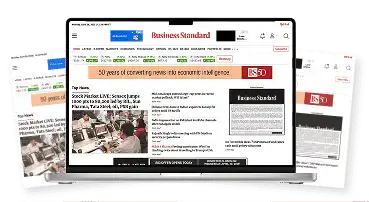

Complimentary Access to The New York Times
News, Games, Cooking, Audio, Wirecutter & The Athletic
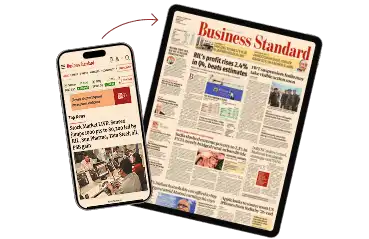
Business Standard Epaper
Digital replica of our daily newspaper — with options to read, save, and share

Curated Newsletters
Insights on markets, finance, politics, tech, and more delivered to your inbox
Market Analysis & Investment Insights
In-depth market analysis & insights with access to The Smart Investor


Archives
Repository of articles and publications dating back to 1997
Ad-free Reading
Uninterrupted reading experience with no advertisements

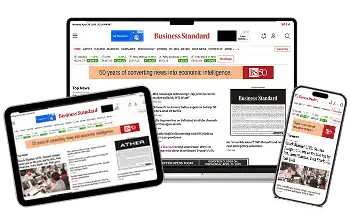
Seamless Access Across All Devices
Access Business Standard across devices — mobile, tablet, or PC, via web or app
SAVE 25%